Introduction to Vehicle Towing for Homeowners
In Springfield, VA, knowing how to properly manage a vehicle towing situation can be invaluable for homeowners. Whether you're facing a car breakdown in your driveway or need to move a seldom-used vehicle, understanding the basics of safe towing is critical. This guide aims to provide beginner-friendly insights and practical steps to ensure you handle your towing needs effectively.
Understanding the Basics of Towing
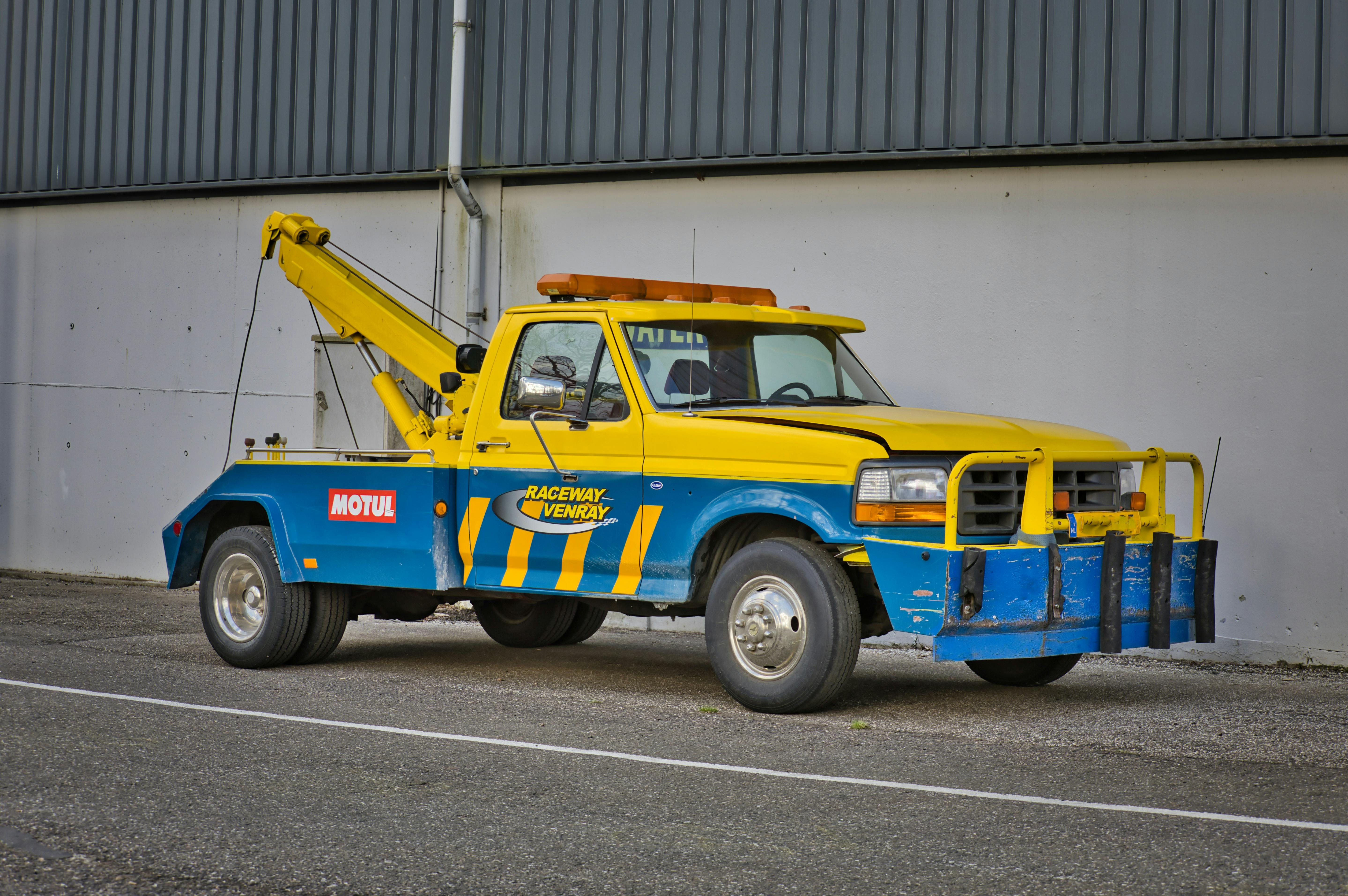
Before diving into the steps, it's essential to understand what towing involves. In simplest terms, towing is the process of pulling a vehicle with another vehicle or device. This can be accomplished using a tow bar, a tow dolly, or a flatbed trailer, among other tools. Understanding the mechanics and safety protocols involved in towing is crucial for every homeowner.
Types of Towing Equipment
- Tow Bar: A tow bar connects the towed vehicle to the towing vehicle, allowing it to be pulled.
- Tow Dolly: This is a small trailer that lifts the front wheels of the vehicle to be towed.
- Flatbed Trailer: The entire vehicle is loaded onto a trailer, offering the safest method of towing.
Step-by-Step Guide to Towing Your Vehicle
Step 1: Assess the Situation
Begin by assessing the situation to determine the most suitable towing method. Consider factors such as the vehicle's condition, distance to be towed, and available equipment. For short distances within Springfield, a tow dolly may suffice, while longer distances might necessitate a flatbed trailer.
Step 2: Gather Necessary Equipment
Ensure you have all the necessary equipment, including safety chains, a tow rope or cable, and the appropriate towing device (tow bar, dolly, or trailer). Double-check your tools for any signs of wear or damage, as safety is paramount.
Step 3: Secure the Vehicle
Secure the vehicle being towed by properly attaching the towing device. If using a tow bar, make sure it is tightly fastened to the towed vehicle's frame. For a tow dolly, ensure the front wheels are correctly positioned and strapped. For flatbed trailers, ensure the entire vehicle is securely loaded and braced.
Step 4: Check Your Connections
Double-check all connections between the towing and towed vehicles. Use safety chains as a backup connection to ensure the vehicle remains attached in case of primary connection failure. Ensure all lights, signals, and brakes are functioning correctly if applicable.
Step 5: Drive Carefully
When towing, drive with caution. Maintain a lower speed, keep ample space between your vehicle and others, and avoid sudden maneuvers. The extra weight affects your vehicle's handling and braking distance, so be mindful of these changes.
Legal Considerations and Safety Tips
In Virginia, specific regulations govern towing practices. Familiarize yourself with these laws to ensure compliance and safety:
- Weight Limits: Adhere to weight limits specified for your towing setup, including vehicle and trailer weight capacities.
- Signal Requirements: Ensure that your vehicle's lights and signals are visible and functional during towing.
- Insurance: Check with your insurance provider to understand your coverage when towing a vehicle.
Safety should always be your top priority. If you're unsure about any aspect of towing, consider consulting with or hiring a professional towing service, such as Primetime Towing & Recovery, to handle the task.
Conclusion: Know When to Call the Professionals
While this guide provides a foundational understanding of vehicle towing, there are scenarios where professional assistance is advisable. Complicated or long-distance towing situations may require expertise beyond a homeowner's capabilities. Primetime Towing & Recovery in Springfield, VA, is equipped with the necessary tools and experience to ensure your vehicle is moved safely and efficiently.
By following these guidelines, homeowners can approach vehicle towing with increased confidence and safety. Remember, when in doubt, reach out to a trusted local towing service for professional help.